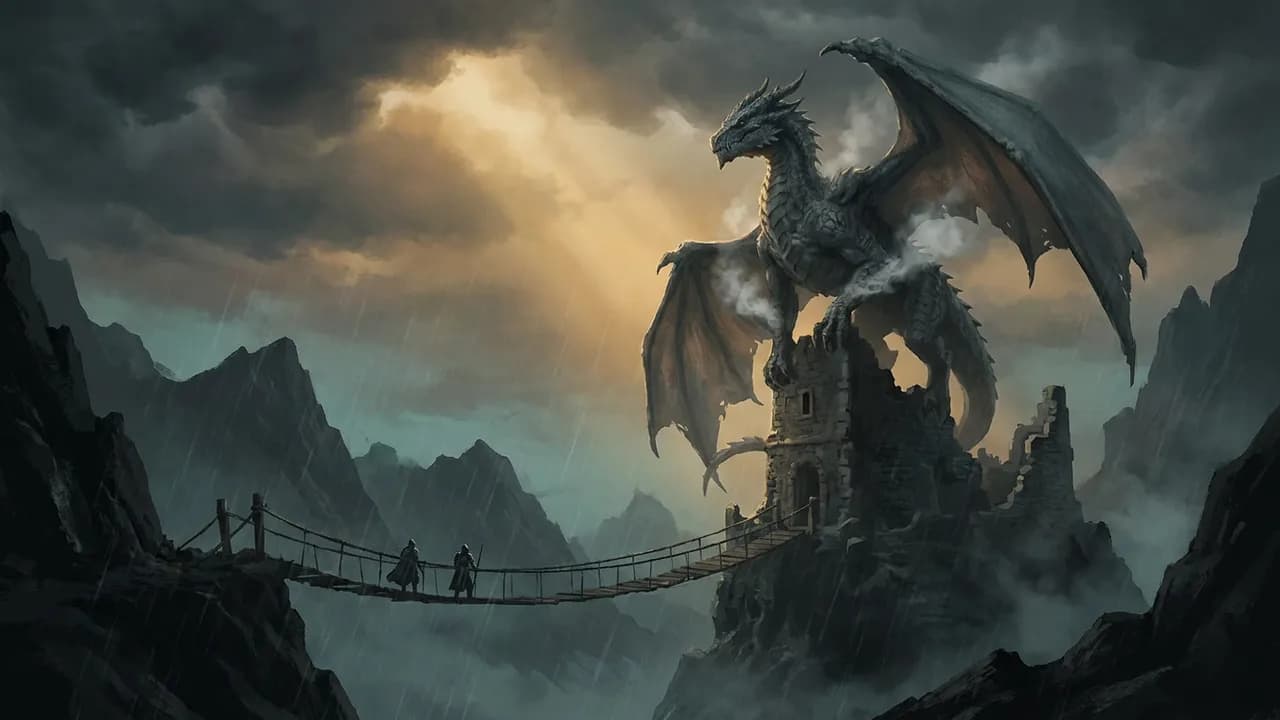
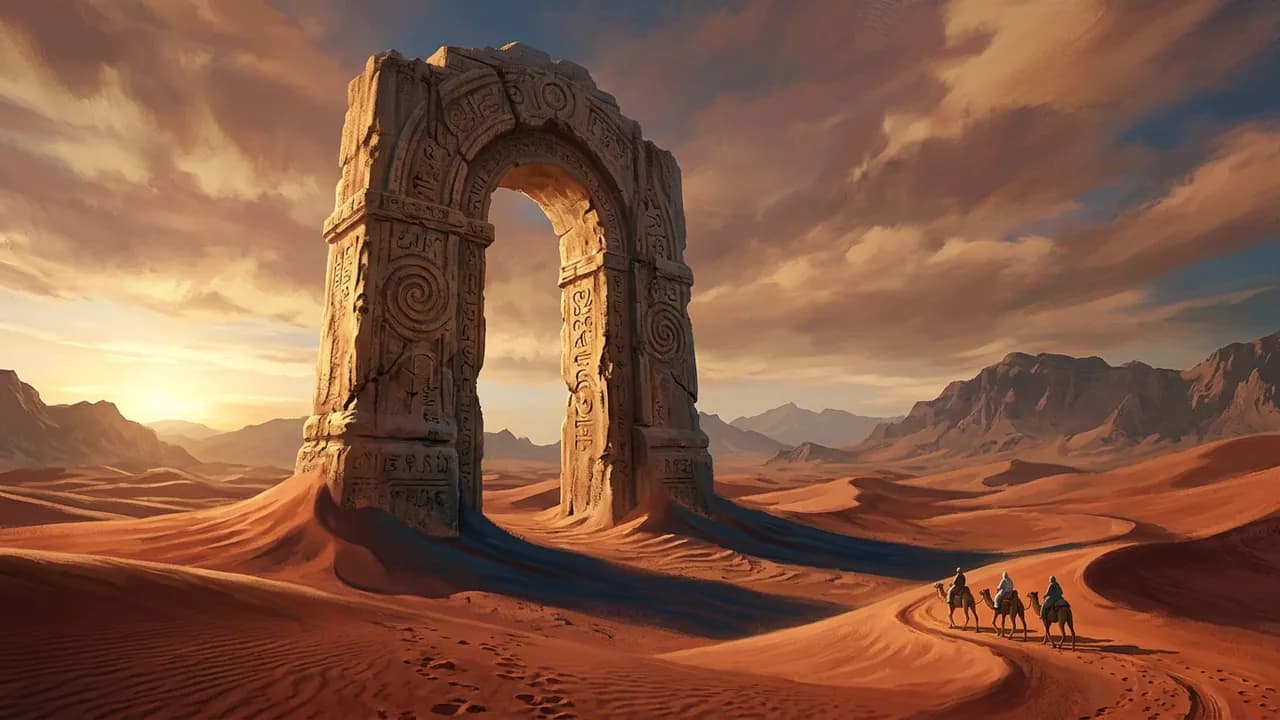
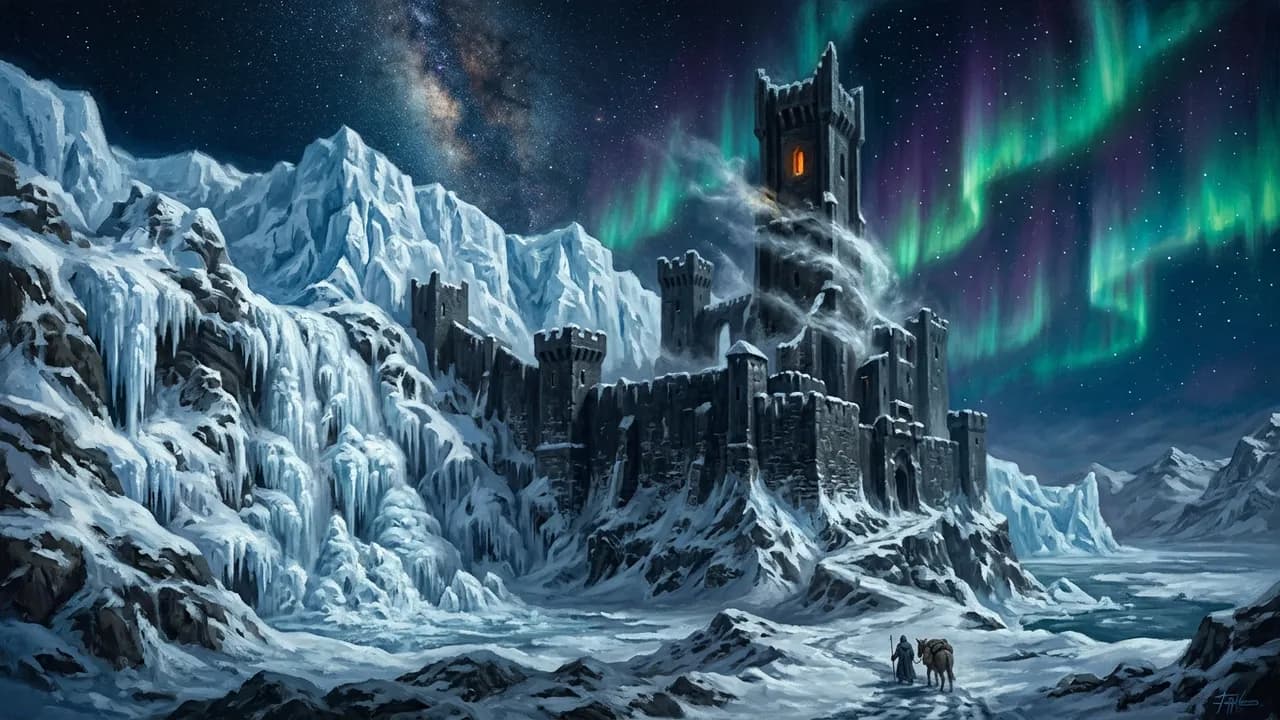
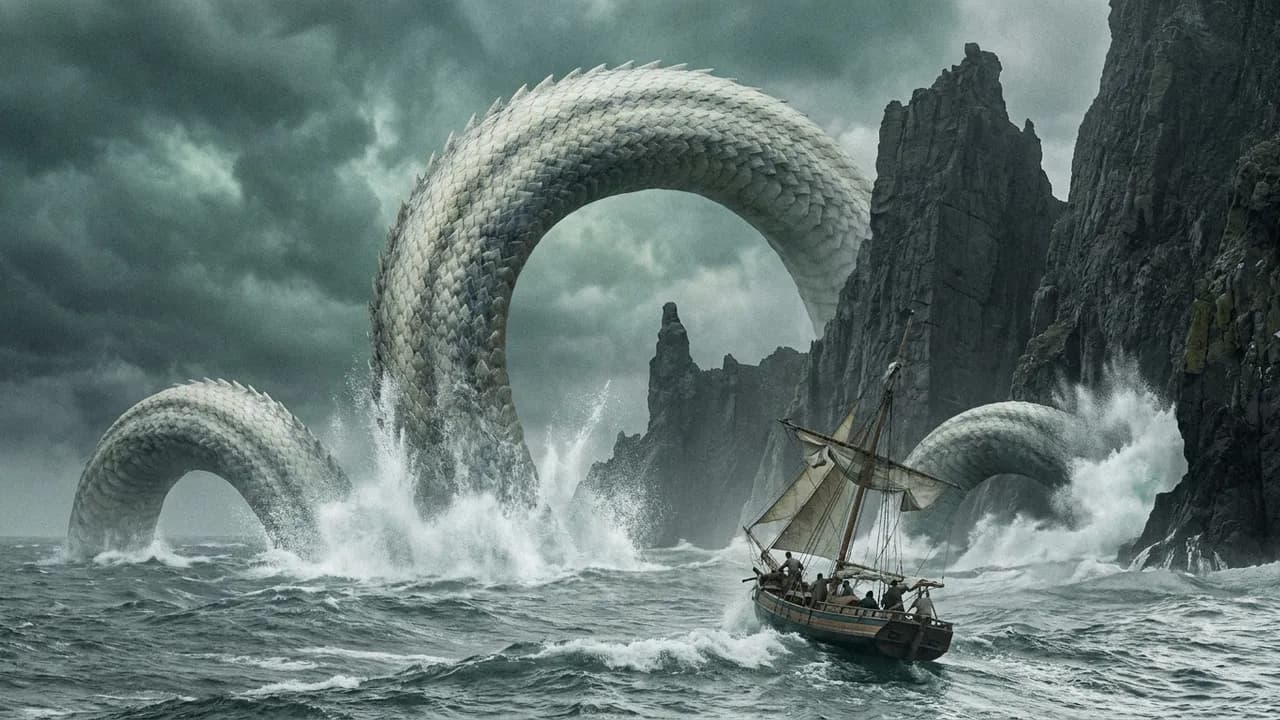
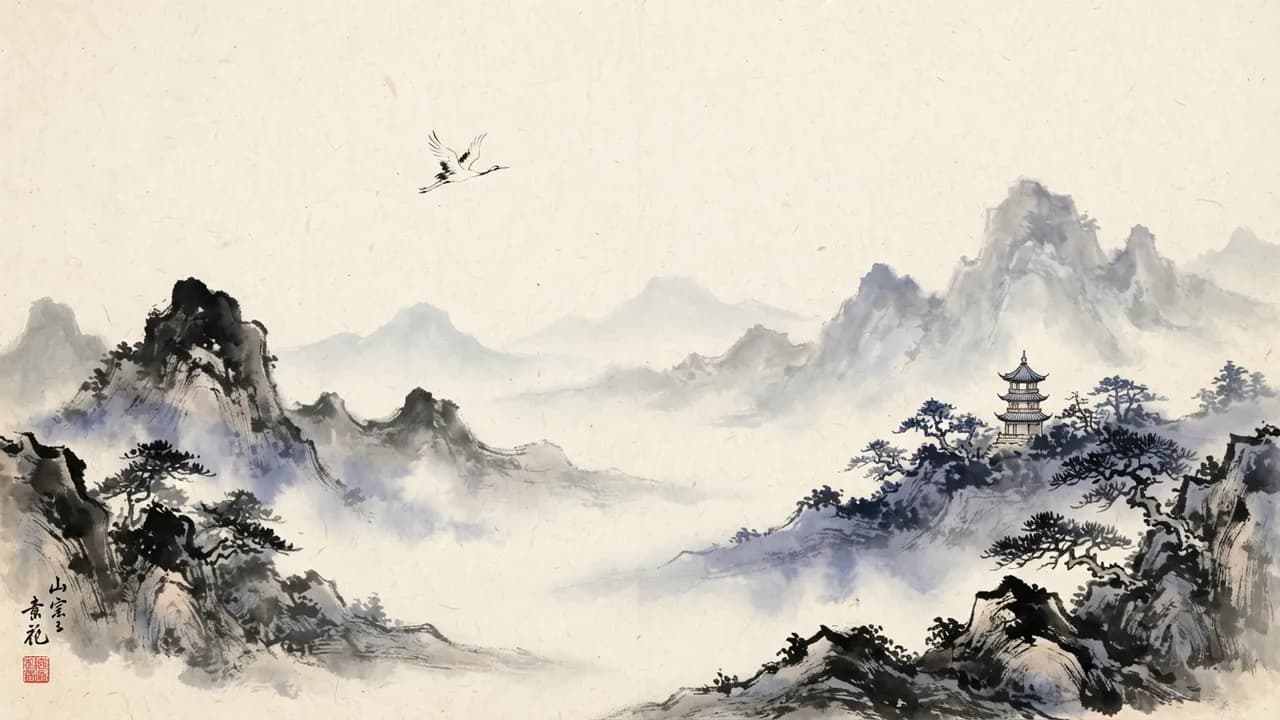
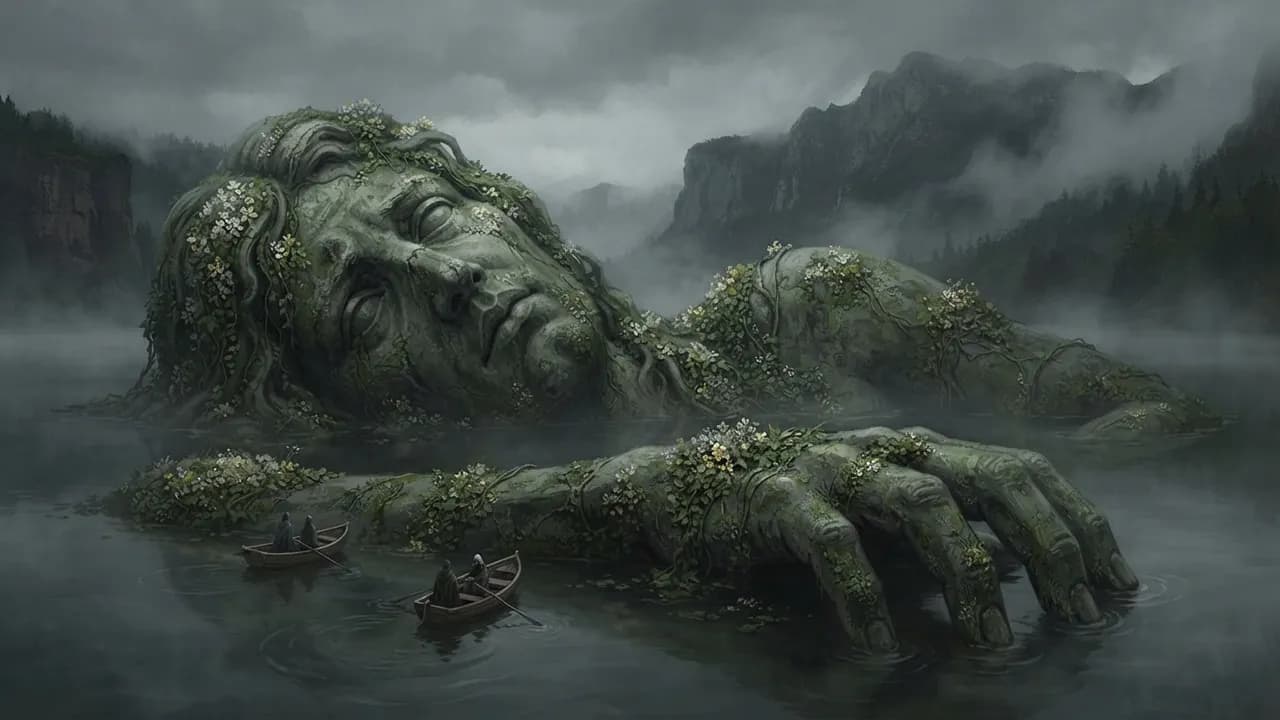
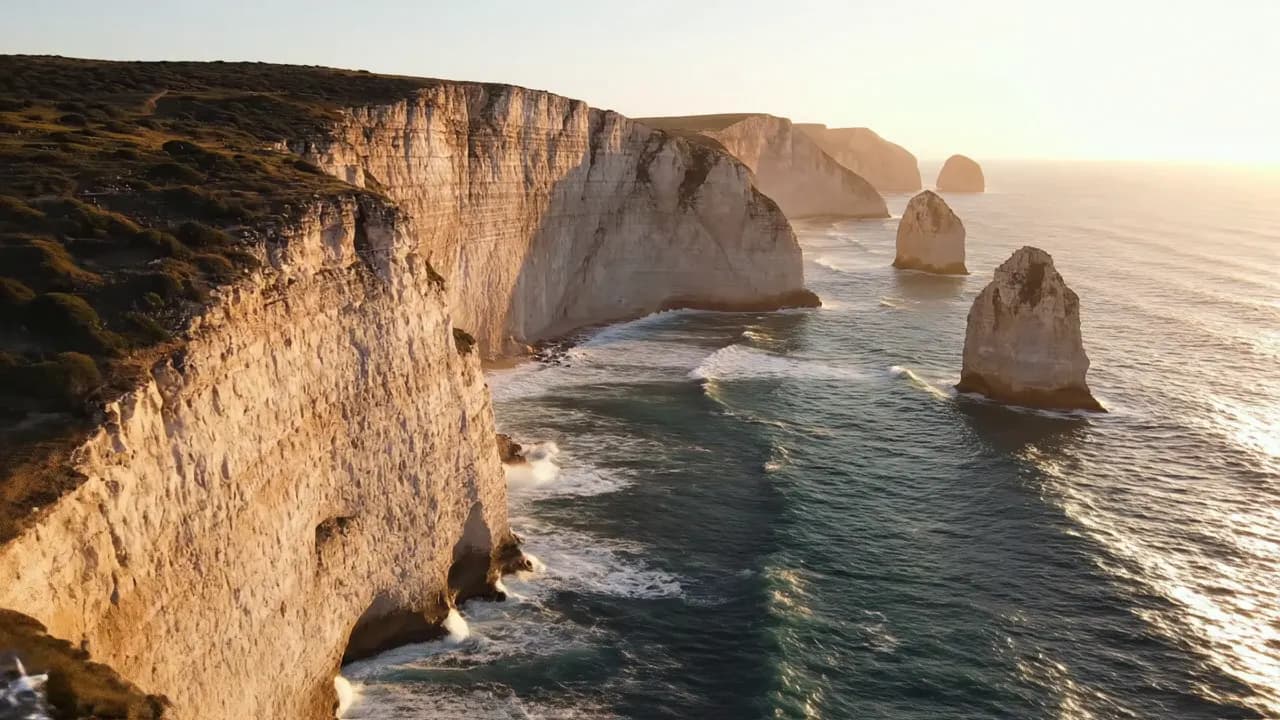
Fantasy fails when it is generic, so the fix is specificity in three places: the subject, the scale cue and the light. Instead of “epic dragon fantasy art”, write “a slate-grey dragon perched on a shattered stone tower, wings half-folded, two tiny figures on the bridge far below, backlit by a storm-lit sky”. The two tiny figures are doing the most important work in that sentence — a sense of scale is what makes fantasy feel epic, and the model will not invent one unless you ask. Silhouettes against sky, a lone traveller at the foot of a gate, birds crossing a canyon: pick one and name it.
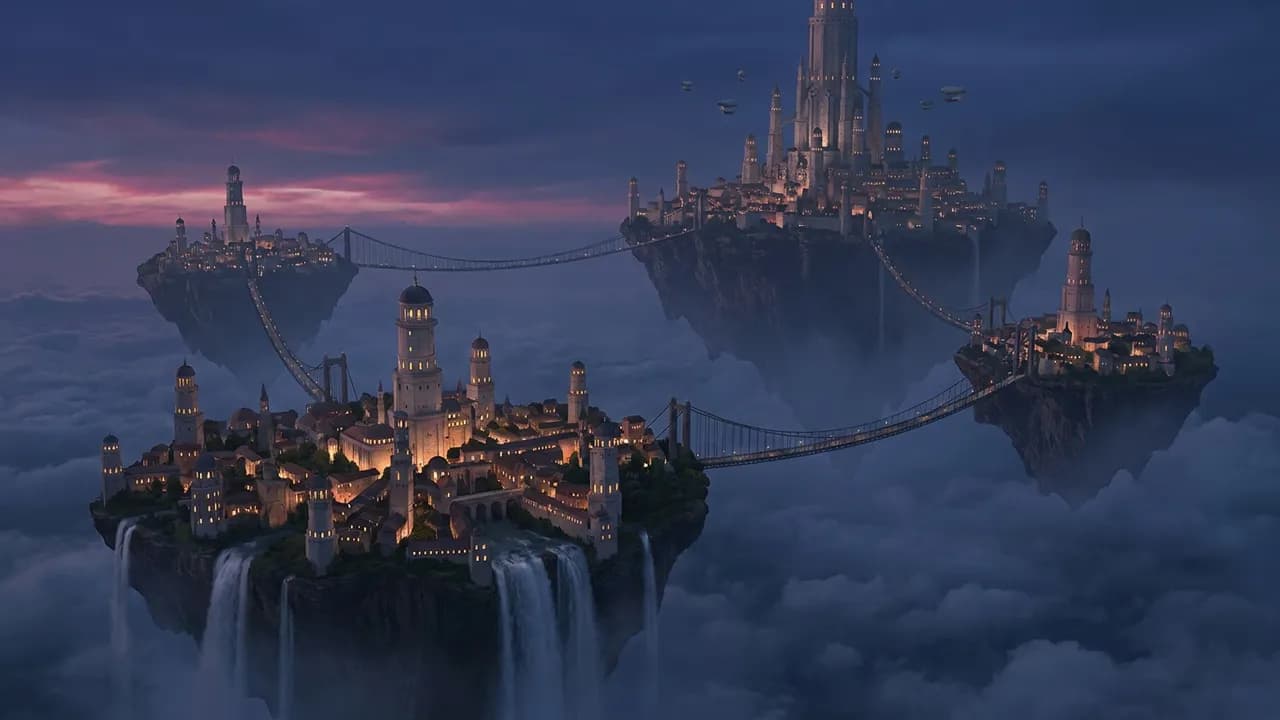
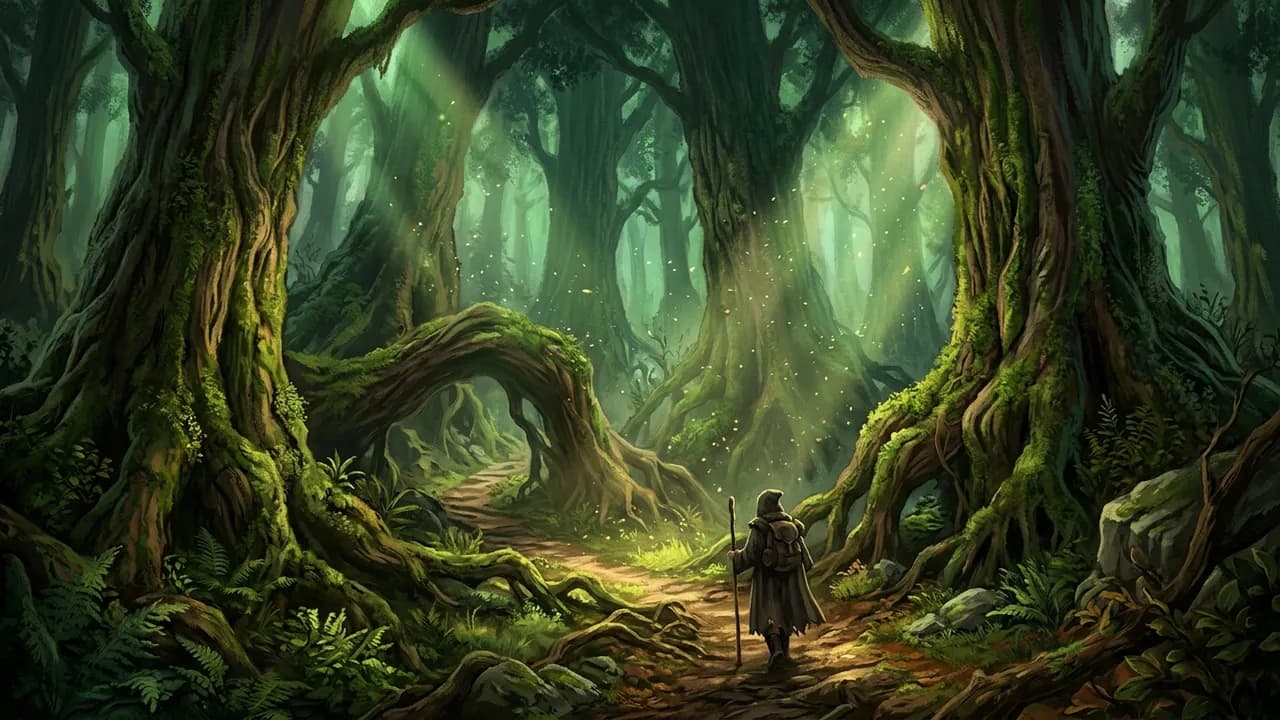
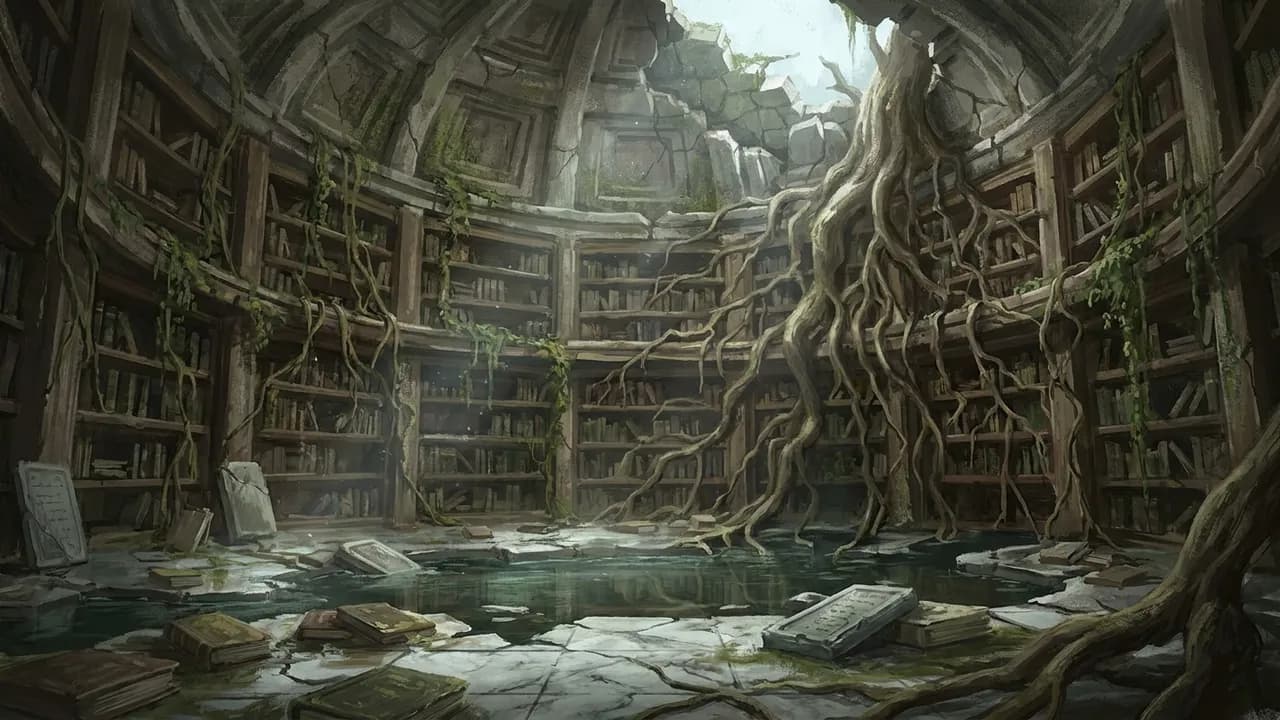
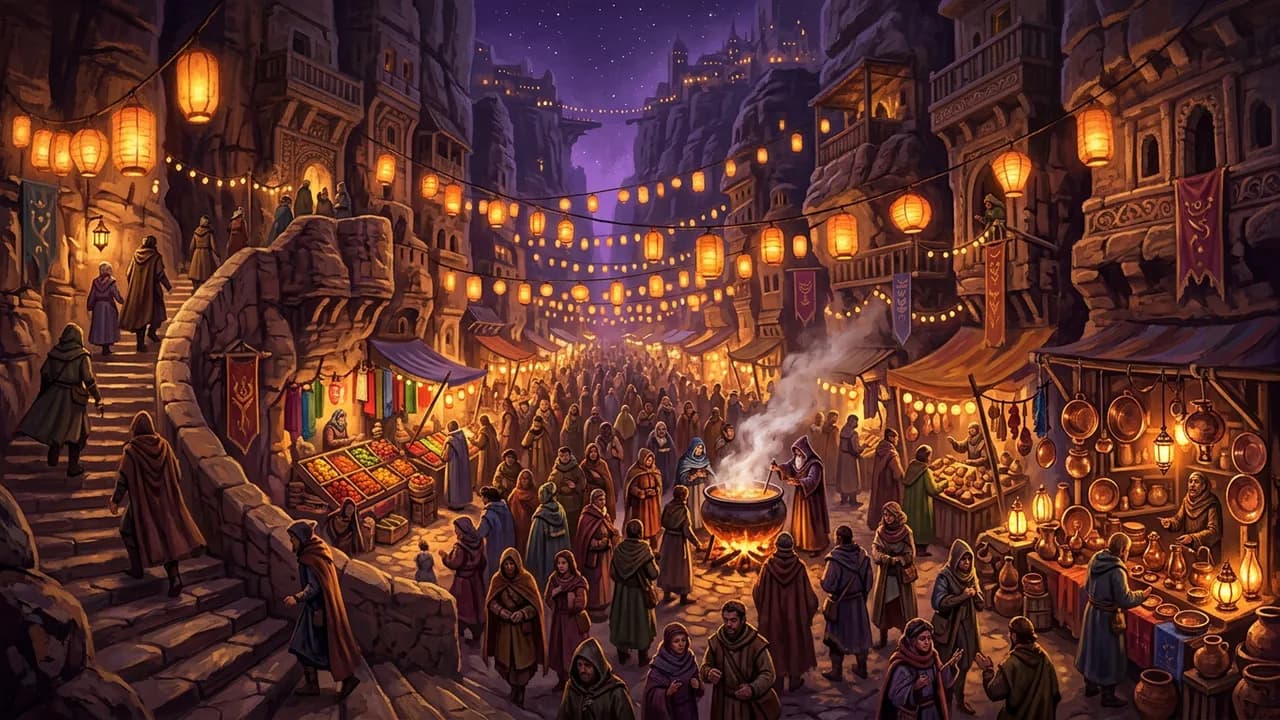
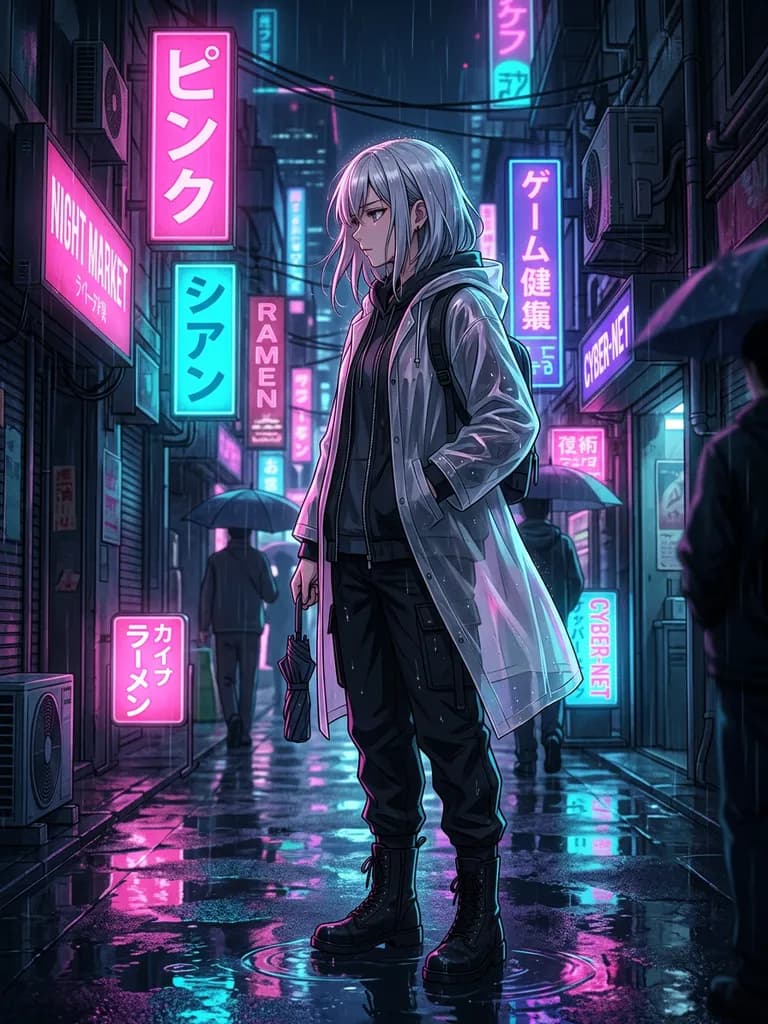
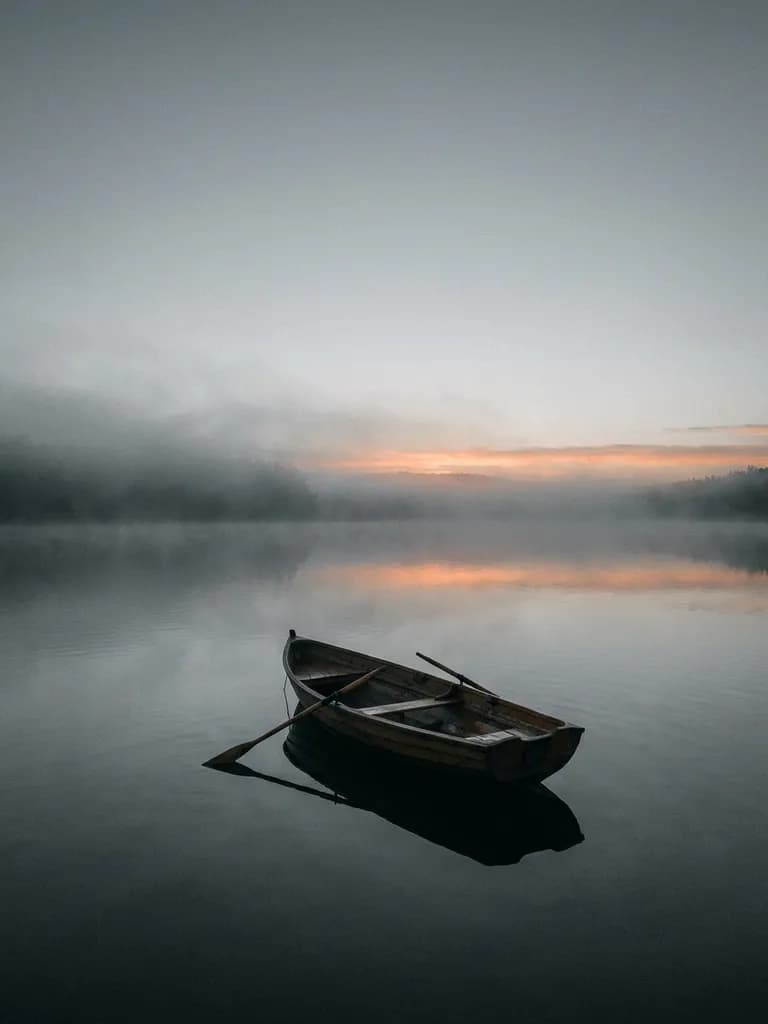
Then choose a medium and stick to it. “Digital painting with visible brushwork”, “matte painting, muted palette”, “ink and wash with limited colour” and “cinematic concept art, volumetric light” pull the same scene into four different worlds. Naming the medium beats naming an artist — it is more reliable, it doesn't imitate a living person's style, and it gives you a look you can repeat across a whole series. All ten images below are unedited first outputs generated on BananaBanana.